
Understanding the Roots of Online Gaming in Asia
The evolution of online gaming in Asia is a fascinating journey that reflects broader technological advancements and cultural shifts. From the early days of computer games to the current dominance of mobile gaming, the industry has undergone significant transformations. As we delve into this history, we will explore how the gaming landscape in Asia has changed and adapted over the years. For those interested in understanding this evolution in detail, rokok88 provides comprehensive insights.
The Early Days: Computer Games and Their Impact
The origins of online gaming in Asia can be traced back to the late 1970s and early 1980s with the emergence of personal computers. This era introduced iconic titles such as “Space Invaders” and the first generation of computer role-playing games. These games, albeit rudimentary by today's standards, laid the groundwork for what would become a multibillion-dollar industry. As computers became more accessible, particularly in urban areas, a new generation of gamers emerged.
Among the early adopters were young adults who recognized the potential for gaming as a form of entertainment. These pioneers often spent hours playing games in isolation, unaware that this would soon evolve into a social phenomenon. The introduction of multiplayer networked games in the late 1980s and early 1990s signaled the next stage, paving the way for what we now know as online gaming.
Internet Cafés: Pioneers of Social Gaming
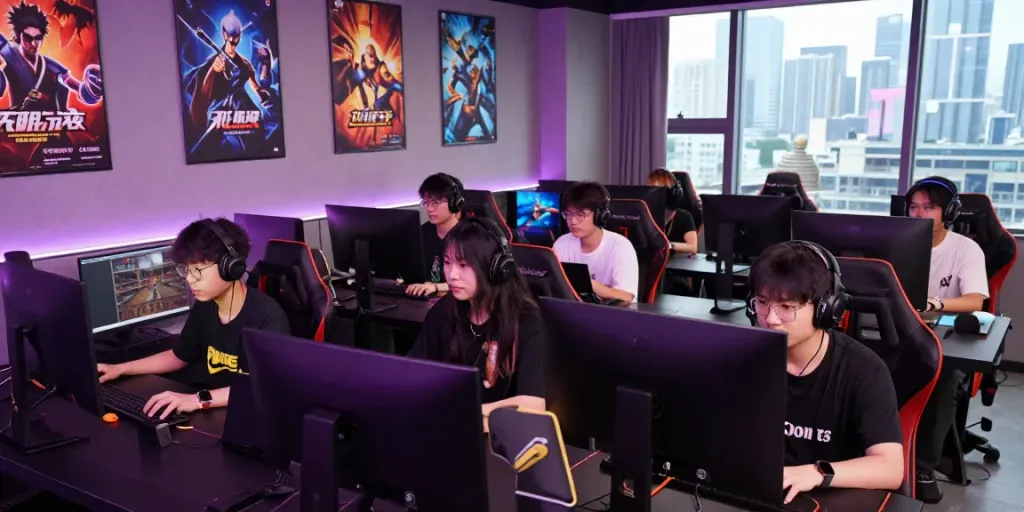
With the rise of the internet in the late 1990s, internet cafés began sprouting across Asia, especially in countries like South Korea and Taiwan. These cafés became the social hubs where gamers of all ages would gather to play online games, fostering a vibrant gaming culture. Titles such as "StarCraft" and "Counter-Strike" gained massive popularity, leading to competitive gaming events and the birth of the esports phenomenon.
In these venues, players not only engaged with the games but also formed communities that transcended geographical boundaries. The social aspect of gaming became a crucial element in its attractiveness, as players formed friendships and rivalries, driving engagement in a way that solitary gaming never could.
Key Milestones in Gaming History
As we trace the history of online gaming in Asia, several key milestones stand out:
- 1998: The establishment of the first professional gaming league in South Korea, which marked the official recognition of competitive gaming.
- 2004: The launch of the online game “World of Warcraft” revolutionized the MMORPG genre, garnering millions of players across Asia.
- 2010: The advent of mobile gaming began with the introduction of smartphones, which dramatically changed how games were developed and consumed.
- 2016: The rise of esports reached new heights, with premier tournaments being broadcast worldwide and attracting millions of viewers.
The Rise of Mobile Gaming
The turn of the decade brought about a significant shift in the gaming landscape with the rise of mobile technology. Handheld gaming devices had previously made inroads, but it was the smartphone revolution that truly democratized access to gaming. Mobile games began to proliferate, leading to an exponential increase in the number of users and types of games available.
Transition from PC to Mobile Platforms
The transition from traditional PC gaming to mobile platforms has been swift and dynamic. Developers began to recognize the potential of reaching a wider audience through mobile devices. The user-friendly interfaces and the convenience of gaming on-the-go enabled millions to participate in gaming, regardless of their location. This accessibility has driven innovation within the industry, with new genres emerging that are tailored specifically for mobile play.
What was once a predominantly male audience in the early gaming days has expanded to include a more diverse range of players. The rise of mobile gaming has encouraged game developers to create inclusive content that appeals to various demographics, further evolving the market.
Popular Mobile Games in Asia: Trends and Insights
Some of the most popular mobile games that have captivated Asian gamers include:
- Mobile Legends: Bang Bang: A multiplayer online battle arena game that has gained massive traction in Southeast Asia.
- PUBG Mobile: Known for its engaging battle royale format, it has drawn millions of players around the globe.
- Genshin Impact: This action RPG has set new benchmarks for mobile gaming through stunning graphics and immersive gameplay.
These games often incorporate localized content that resonates with cultural themes relevant to Asian audiences, fostering a deeper connection between developers and players.
The Role of Smartphones in Gaming Accessibility
The ubiquity of smartphones has played a crucial role in making gaming accessible to the masses. In 2026, mobile gaming is expected to account for more than half of the global gaming market, largely driven by advancements in mobile technology and internet connectivity. The ability to play high-quality games without the need for specialized hardware has opened the door for casual gamers to participate in competitive spaces.
Additionally, the rise of cloud gaming services allows users to play resource-intensive games on lower-end devices, further enhancing accessibility. This trend indicates a future where gaming is less about the hardware and more about the experience itself.
Analyzing the Current Gaming Ecosystem
The gaming ecosystem in Asia today is more vibrant and diverse than ever. Major companies and independent developers are continually pushing the envelope in game design, storytelling, and player engagement.
Top Gaming Companies and Their Contributions
Several key players dominate the Asian gaming market, including:
- Tencent: The largest gaming company globally, known for titles like "Honor of Kings" and ownership stakes in many other successful games.
- NetEase: A leader in mobile gaming, recognized for its successful partnerships with Blizzard and its own titles.
- Bandai Namco: Known for franchises that resonate culturally with Asian audiences, such as "Dragon Ball" and "Naruto."
These companies not only create engaging games but also invest in the esports scene, further driving industry growth.
Gaming Influencers and Community Engagement
In today's digital age, gaming influencers have emerged as powerful voices in the community, shaping trends and preferences among gamers. Platforms like Twitch and YouTube have enabled gamers to share their experiences and connect with audiences globally. Influencers often host live streams, share gameplay tips, and build communities around specific games, significantly impacting player engagement and game popularity.
The role of community engagement cannot be overstated; developers who involve their players in the gaming process through feedback loops and beta testing tend to foster stronger connections and loyalty.
Challenges Faced by Developers Today
Despite the rapid growth of the gaming industry, developers face several challenges, including:
- Monetization Strategies: Finding sustainable revenue models that do not alienate players can be difficult, particularly in free-to-play environments.
- Regulatory Hurdles: Different countries have varying regulations that can complicate game launches and operations.
- Increased Competition: With so many new titles being released, standing out in a saturated market requires creativity and innovation.
Addressing these challenges is crucial for long-term success in the ever-evolving gaming landscape.
The Future of Online Gaming in Asia
As we look to 2026 and beyond, the future of online gaming in Asia presents exciting possibilities shaped by emerging technologies and changing user preferences.
Emerging Technologies: AR, VR, and Beyond
Augmented reality (AR) and virtual reality (VR) technologies are expected to play a pivotal role in the next phase of gaming evolution. These technologies promise to create immersive experiences that allow players to engage with games in previously unimaginable ways. Titles like "Pokémon GO" have already demonstrated the potential of AR to blend real-world environments with gaming.
As the hardware becomes more affordable and accessible, we anticipate a surge in VR gaming experiences that may redefine social interactions within games.
Trends to Watch in 2026 and Beyond
Several trends are poised to shape the future of gaming:
- Cross-Platform Play: Increased integration across platforms will allow players to connect and compete, regardless of their chosen device.
- AI-Driven Experiences: The use of artificial intelligence to enhance gameplay, adapt difficulty levels, and create personalized gaming journeys will become more prevalent.
- Focus on Mental Health: Games that promote mental well-being and incorporate calming mechanics are likely to gain traction as awareness of mental health issues grows.
The Role of eSports in Shaping Future Gaming
eSports is set to continue its exponential growth, with international tournaments drawing millions of viewers and sponsorship deals reaching new heights. As major brands recognize the value of engaging with the gaming community, the industry will likely see increased investments and a broader acceptance of gaming as a legitimate sport.
The integration of eSports into educational institutions and traditional sporting events may further legitimize the industry, making gaming a viable career path for aspiring players.
Frequently Asked Questions
What is the history of rokok88 in the gaming industry?
While specific details about the history of rokok88 in the gaming industry are limited, the platform aims to provide insights into the broader evolution of gaming.
How has mobile gaming changed the landscape in Asia?
Mobile gaming has democratized access to gaming, enabling millions to play anytime and anywhere, significantly increasing player engagement and diversity in game design.
What are the most popular online games in Asia today?
Popular online games include titles like “PUBG Mobile,” “Genshin Impact,” and “Mobile Legends,” each catering to a wide audience and often incorporating cultural themes relevant to Asian players.
How do gaming communities influence game development?
Gaming communities provide feedback, foster engagement, and can significantly impact content updates and new game features, making developers more responsive to player needs.
What technological advancements can we expect in online gaming by 2026?
We can expect advancements in AI, emerging AR/VR technologies, and enhanced cross-platform interactions, all contributing to richer gaming experiences.